
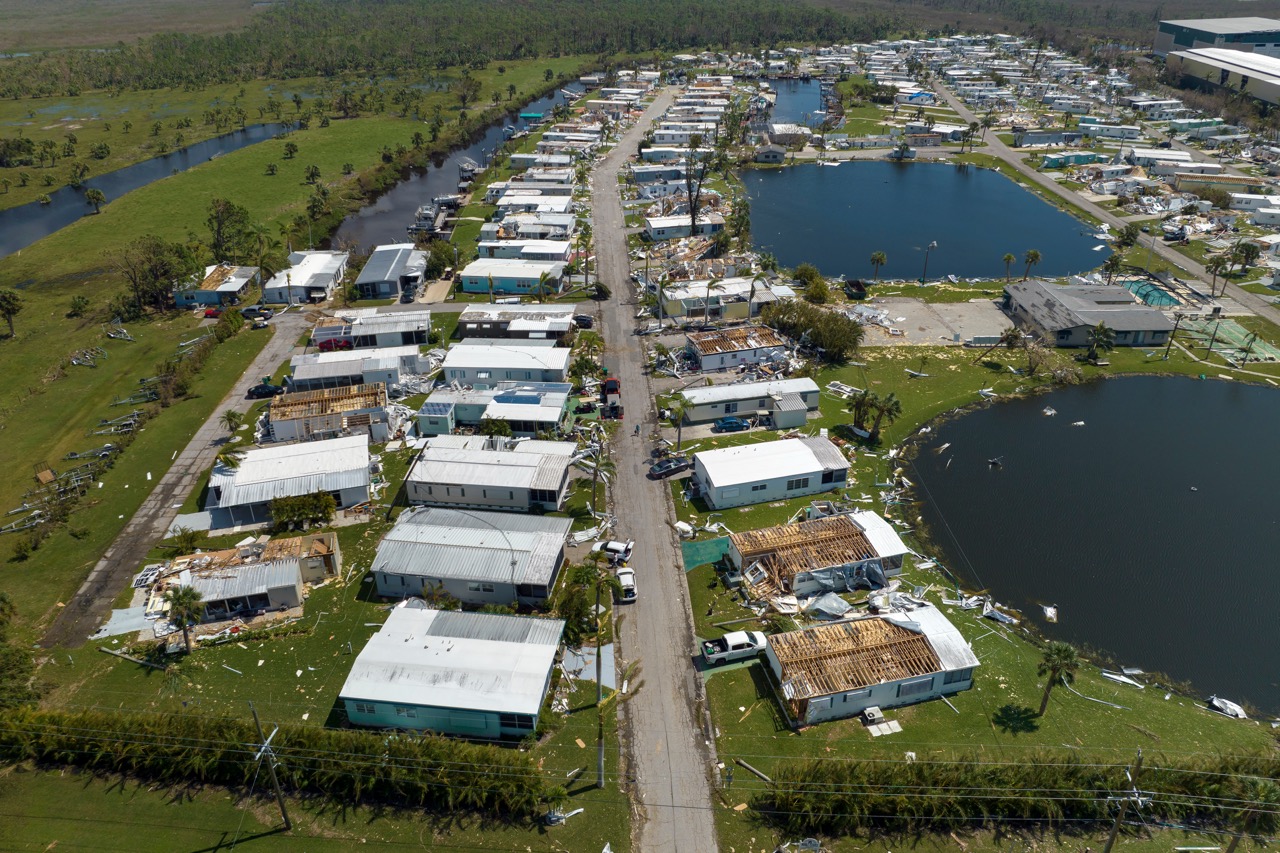
Windstorm Damage Coverage in Florida: Does Your Homeowners Insurance Really Protect You?
Another storm rips through Florida. Another roof gets torn apart. You call your insurer expecting help, but instead you get confusing policy jargon about deductibles and exclusions. Does homeowners insurance cover windstorm damage in this state? The answer isn’t as simple as yes or no.
Florida experienced 94 billion-dollar weather events between 1980 and 2025, with windstorms destroying countless homes. Confusion over wind versus hurricane deductibles leaves many homeowners unprepared when disaster strikes. Insurance companies sometimes shift blame from wind damage to flooding to avoid payouts entirely.
Here’s what Florida homeowners need to know about windstorm damage coverage and how to protect your rights.
What Is Considered Windstorm Damage Under Florida Policies?
Windstorm damage includes destruction caused by high winds from hurricanes, tropical storms, tornadoes, and severe thunderstorms hitting properties. Wind-driven rain entering through roof openings created by windstorms qualifies as covered damage under most homeowners insurance policies. Roof shingle loss from hurricane-force winds tearing away protective layers creates expensive repair needs covered by windstorm provisions.
Broken windows shattered by flying debris during storms require immediate boarding and eventual replacement under windstorm damage coverage. Structural damage from high winds includes torn siding, compromised roof decking, and wall failures requiring professional engineering assessments. Over 20 percent of Florida’s roofs are in “seriously deficient” condition, far above the national average of 1 percent.
Does Homeowners Insurance Cover Windstorm Damage Automatically?
Florida law requires insurance policies for homes to include coverage against wind damage as a mandatory protection for property owners. Standard HO3 policies automatically cover windstorm damage throughout the state unless homeowners specifically opt out through written waiver statements. Coastal properties within high-risk wind-pool areas face different coverage challenges with separate windstorm deductibles or excluded coverage options.
Separate hurricane deductibles apply only when the National Hurricane Center declares storms as official hurricanes rather than unnamed wind events. Differences between inland versus coastal policies create confusion about windstorm damage insurance claim in Florida situations requiring professional legal guidance. Homeowners can exclude windstorm coverage by providing written, personally signed statements acknowledging financial responsibility for wind losses, but mortgage lenders must approve such exclusions.
When Windstorm Damage Is NOT Covered
Insurance companies find various reasons to deny legitimate windstorm damage claims despite Florida’s mandatory coverage requirements. Certain exclusions and situations eliminate coverage even when wind destroys your property.
Policy exclusions apply when homeowners waive windstorm coverage through proper written statements approved by mortgage lenders. Lapsed coverage from missed premium payments voids protection regardless of windstorm damage severity. Wear and tear disputes arise when insurers claim damage resulted from deferred maintenance rather than sudden wind events.
Improper maintenance allegations shift blame to homeowners for not replacing aging roofs or repairing minor pre-storm damage. Denied windstorm damage claim situations require immediate legal review to challenge improper policy interpretations and systematic insurer misconduct.
Wind vs. Flood Damage: Why Insurance Companies Shift Blame
Insurance companies strategically misclassify obvious wind damage as flooding to exploit flood damage exclusions in standard homeowners policies. Flood damage exclusions eliminate coverage for water entering from ground level, creating disputes about damage causation during hurricanes with both components. NFIP versus wind coverage creates complex battles when insurers argue storm surge flooding rather than wind-driven rain caused interior damage.
Anti-concurrent causation clauses allow insurers to deny entire claims when both wind and flood contribute to losses despite clear wind damage. Insurance companies profit when successfully shifting windstorm damage responsibility to separate flood policies homeowners may not carry. Understanding these tactics protects homeowners from accepting unfair insurance claim denials based on improper damage classification strategies companies employ systematically.
What to Do If Your Windstorm Damage Insurance Claim Is Denied
Receiving a denied windstorm damage claim notification doesn’t end your options for recovering fair compensation after storm destruction. Quick systematic action protects your legal rights while building compelling cases against improper insurer conduct.
- Review your denial letter thoroughly: Read every word explaining why your windstorm damage insurance claim Florida was rejected, noting specific policy provisions cited by insurers.
- Request professional reinspection: Obtain independent expert damage assessments from licensed contractors who can document actual windstorm losses insurers minimized or overlooked entirely.
- Document all roof and structural damage: Take comprehensive photos and videos showing wind-caused destruction from multiple angles proving storm causation clearly and convincingly.
- Seek immediate legal review: Contact experienced property insurance attorneys who understand Florida law and can challenge denied windstorm damage claim decisions effectively through aggressive advocacy.
How CMS Law Group Helps Florida Homeowners with Windstorm Damage Claims
We fight aggressively when insurance companies underpay or deny legitimate windstorm damage claims using questionable tactics designed to protect their profits. Our experienced attorneys challenge bad faith insurance practices including unreasonable delays, lowball settlements, and improper policy interpretations favoring insurer interests. We understand delay tactics companies employ to exhaust homeowners emotionally and financially before accepting inadequate settlements.
When necessary, we pursue litigation holding insurers accountable for violating their legal obligations under Florida law and policy contracts. Homeowners insurance disputes require professional legal advocacy that levels the playing field against companies with substantial defense resources. Windstorm damage cases demand attorneys who understand Florida’s unique insurance landscape and can maximize recovery for devastated homeowners.
Key Takeaways About Windstorm Damage Coverage
Windstorm damage claims in Florida can quickly become complicated, especially after a major storm or hurricane impacts your property. Many homeowners assume their insurance policy automatically provides full protection, only to discover exclusions, high deductibles, or unexpected claim disputes. Understanding how windstorm coverage works is essential to protecting your home and your financial recovery. From policy terms and deductibles to proper documentation and legal support, several key factors determine whether your claim is paid fairly and on time. The following points break down the most important things every Florida homeowner should know about windstorm damage coverage.
Coverage Depends on Your Specific Policy Terms
Windstorm damage coverage in Florida varies depending on the language written into your individual homeowners insurance policy. While Florida law generally requires wind coverage, certain coastal properties may have separate windstorm policies or exclusions. Some homeowners may have opted out of wind coverage, which significantly affects protection levels. Carefully reviewing your policy helps determine exactly what is covered and what limitations may apply after a storm.
Deductibles Matter Significantly
Hurricane deductibles are often much higher than standard windstorm deductibles. When a named storm strikes, you may be responsible for a percentage-based deductible rather than a flat amount. This can mean thousands of dollars out of pocket before your insurance coverage applies. Understanding how your deductible works is critical when evaluating settlement offers and planning for repairs.
Documentation Proves Critical
Thorough documentation strengthens your windstorm damage claim. Clear photos, detailed contractor estimates, and expert inspection reports provide strong evidence when insurers question the extent or cause of damage. Proper records reduce disputes and help support the full value of your claim during negotiations.
Legal Help Strengthens Disputes
Professional legal representation can significantly improve outcomes when insurance companies deny or underpay windstorm damage claims. Experienced attorneys understand Florida insurance law and can aggressively advocate for fair compensation on your behalf.
Don’t Let Windstorm Damage Claims Blow Away Your Financial Recovery
Your windstorm damage claim shouldn’t be another battle you fight alone. CMS Law Group knows how insurance companies operate in Florida. We challenge unfair denials and fight for homeowners who deserve better. Schedule your free consultation today. Let us review your windstorm damage case and explain your legal options clearly. Time matters when deadlines approach.
CMS Law Group
 12955 Biscayne Blvd. Suite 201, North Miami, FL 33181
 (866) 345-2033
 info@cmslawgroup.com