
What Florida Homeowners Should Know About Insurance After Fire Damage
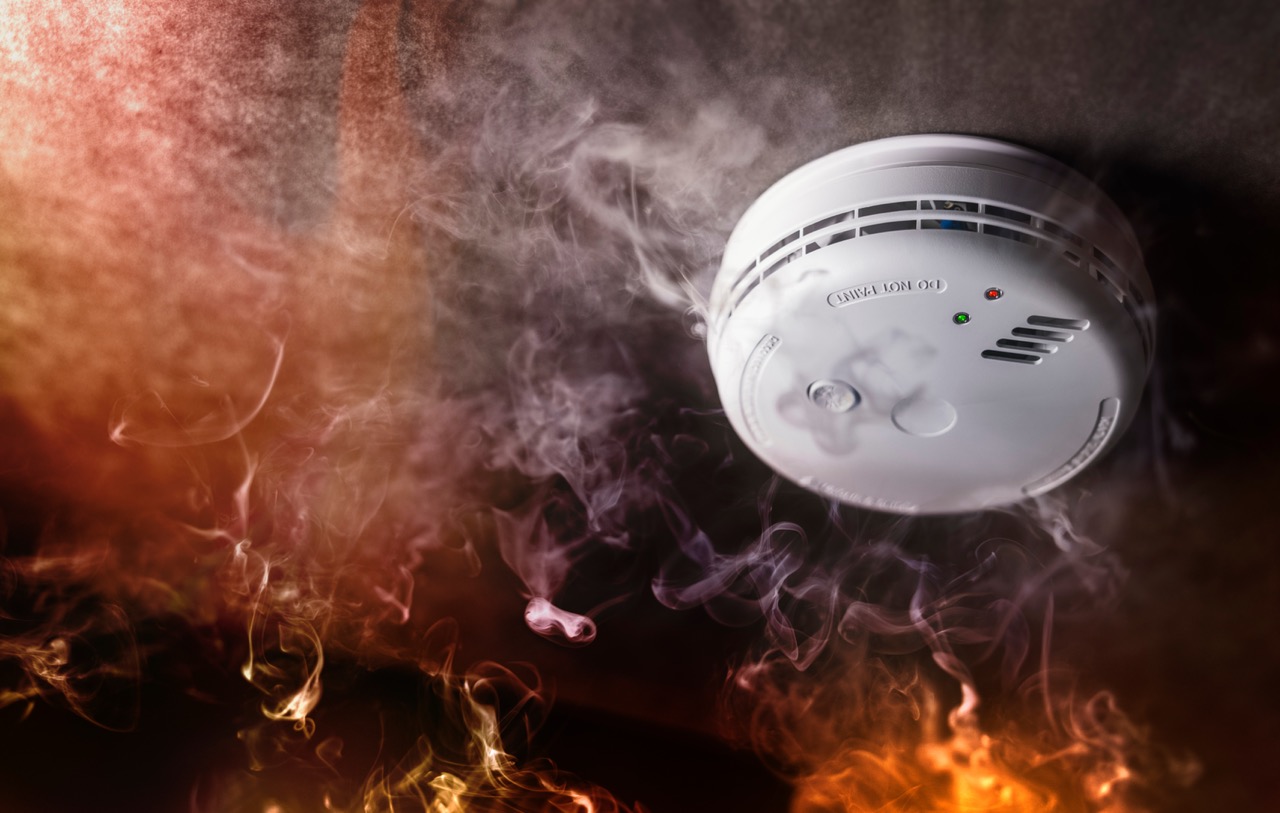
The smoke clears. Your home stands damaged, charred, and unrecognizable. You’re shaking, wondering if your insurance will actually cover this nightmare. Florida residential fires occur frequently from causes like electrical failures, lightning strikes, kitchen accidents, and wildfires in dry areas.
After a fire, the biggest question becomes simple: will your insurance actually pay for the damage? The answer often decides how quickly you can repair your home and recover financially. Many homeowners expect the process to be straightforward, but insurers often rely on complex policy language and slow investigations.
This guide breaks down exactly what happens after fire strikes your Florida property and how to protect your rights.
What Fire Damage Does Homeowners Insurance Cover in Florida?
Florida law requires homeowners policies to cover fire and lightning damage as mandatory protection for property owners statewide. Your dwelling coverage pays for structural repairs including roof replacement, wall reconstruction, and foundation work damaged by flames.
Personal property coverage reimburses you for destroyed belongings like furniture, electronics, clothing, and household items consumed by fire. Additional living expenses coverage pays hotel bills, restaurant meals, and temporary housing costs when your home becomes uninhabitable after fires.
Detached structures coverage protects garages, sheds, and fences destroyed by flames spreading across your property. Smoke damage remediation falls under fire coverage since smoke and soot contamination results directly from combustion events.
How Much Compensation Can You Expect for Fire Damage?
Compensation amounts depend on your policy limits, coverage type, and deductible structure chosen when purchasing homeowners insurance policies. Replacement cost coverage pays current market prices to rebuild and replace damaged property without depreciation deductions reducing your settlement.
Actual cash value coverage subtracts depreciation from replacement costs, leaving you with significantly less money for complete property restoration. Your dwelling coverage limit should match current reconstruction costs rather than your home’s market value or purchase price.
Personal property limits typically range from 50% to 70% of dwelling coverage unless you purchased additional protection. Deductibles reduce final settlement amounts, with hurricane deductibles often costing 2% to 5% of dwelling coverage for named storms.
The Fire Damage Claims Process: Step-by-Step Timeline
Fire damage turns life upside down in minutes. Once the flames are out, the insurance claim process begins. Many homeowners feel overwhelmed by paperwork, inspections, and strict deadlines. Knowing what happens next allows you to protect your claim and avoid costly mistakes.
Here is a simple step by step look at how the fire damage claims process usually unfolds:
Report the Fire Damage Quickly
Contact your insurance company within 24 hours after discovering fire damage to start the claim and meet policy reporting requirements.Insurance Adjuster Inspects the Property
The insurer assigns an adjuster who visits your property, photographs damage, evaluates losses, and prepares an initial damage assessment report.Receive the Initial Damage Estimate
After inspection, the adjuster prepares a preliminary report estimating repair costs and recommending an initial settlement amount for your claim.Submit a Sworn Proof of Loss Statement
Provide a formal proof of loss listing damaged property, repair costs, and supporting documentation required by your insurance policy.Insurance Company Reviews the Claim
The insurer evaluates documents, inspection reports, and policy terms before deciding whether to approve, deny, or adjust the claim.Payment or Claim Decision Issued
Florida insurers generally have up to 90 days to pay or deny residential property claims after receiving complete documentation.File Supplemental Claims if Needed
Additional damage discovered during repairs may require supplemental claims requesting higher compensation beyond the original settlement amount.
What Documents and Evidence Do You Need After a Fire?
After a house fire, recovery often begins with paperwork, not repairs. Insurance companies rely heavily on documentation before approving payments. The more organized your evidence is, the stronger your claim becomes. Missing records can slow down the process or reduce settlement amounts. That is why gathering proof quickly matters. Clear documentation shows the true extent of damage and helps protect your right to fair compensation.
Start by organizing the key documents and evidence that support your fire damage claim:
Photos and Videos: Take clear pictures of fire damage, smoke damage, and water damage caused by firefighting efforts.
Expense Receipts: Save receipts for emergency repairs, hotel stays, food, clothing, and other costs after displacement.
Repair Estimates: Obtain written estimates from licensed contractors describing repair work and reconstruction costs.
Fire Department Reports: Request official reports from firefighters or fire investigators confirming the cause and damage.
Personal Property Inventory: Create a list of destroyed belongings including purchase dates, approximate value, and replacement costs.
Communication Records: Keep notes of conversations with insurance adjusters, including dates, details, and any commitments discussed.
Common Reasons Insurance Companies Deny Fire Damage Claims
Insurance companies find various reasons to deny legitimate fire damage claims despite clear policy coverage requiring payment for fire losses. Insurers argue homeowners failed to report fires within required timeframes, violating policy notification requirements that void coverage.
Companies claim fires resulted from intentional acts, arson, or excluded perils rather than accidental causes covered by standard policies. Likewise, insurers dispute whether smoke damage requires professional remediation or if simple cleaning suffices for contaminated materials and belongings.
Pre-existing damage allegations shift blame to deferred maintenance rather than sudden fire events that destroyed your Florida property. Missing documentation gives insurers grounds to reject otherwise valid claims citing insufficient proof of losses or inadequate damage evidence.
How Insurance Companies Undervalue Fire Damage Claims
Systematic undervaluation tactics reduce fire damage settlements far below actual reconstruction costs homeowners need for complete property restoration. Insurance adjusters focus only on visible fire damage while ignoring expensive smoke remediation, odor removal, and hidden structural compromises.
Companies use depreciation calculations reducing claim values dramatically below replacement costs contractors charge for materials and labor. Insurers dispute whether damaged materials require replacement or if repairs suffice, minimizing settlement amounts regardless of safety concerns.
Adjusters exclude code upgrade costs required by Florida building departments during reconstruction despite ordinance and law coverage provisions. Insurance companies rush settlements before homeowners understand full damage extent, offering inadequate amounts that leave restoration incomplete permanently.
What Happens If Your Fire Damage Claim Gets Denied?
Claim denials don’t end your options for recovering compensation after legitimate fire damage destroys your Florida property. Read your denial letter thoroughly, identifying specific policy sections insurers cite when rejecting your valid fire damage claim. Compare denial reasons against actual policy language verifying whether exclusions genuinely apply or if companies misinterpret coverage terms.
Request detailed written explanations demanding insurers clarify exactly why they believe fire damage falls outside policy coverage boundaries. File formal appeals through your insurance company’s internal review process before pursuing external dispute resolution options.
Consider filing complaints with Florida Department of Financial Services triggering state regulatory investigation of improper claim handling. Contact experienced property damage attorneys who understand Florida insurance law and challenge wrongful fire damage claim denials aggressively.
When Fire Damage Claims Become Bad Faith Insurance Cases
Insurance companies violate their legal obligations when they unreasonably deny valid fire damage claims or delay payments without justification. Bad faith occurs when insurers fail to conduct proper fire damage investigations before denying claims lacking reasonable supporting evidence.
Companies engage in bad faith by offering settlements dramatically below actual reconstruction costs without credible justification for reduced amounts. Insurers commit bad faith violations by ignoring policyholder communications, missing statutory deadlines, or requesting unnecessary documentation repeatedly.
Misrepresenting policy coverage to avoid paying legitimate fire losses constitutes bad faith under Florida insurance law and regulations. Bad faith claims allow homeowners to recover damages beyond original policy limits including attorney fees and consequential losses.
How Long Do You Have to File a Fire Damage Claim?
Florida law provides one year from the date of fire loss to file initial insurance claims before deadlines expire permanently. Supplemental claims covering newly discovered fire damage must be filed within 18 months of the original loss date. Lawsuits against insurance companies for bad faith or breach of contract must be filed within five years.
Missing these critical deadlines eliminates your right to compensation regardless of fire damage severity or policy coverage. Document fire dates carefully since insurers sometimes dispute when losses occurred to manipulate applicable deadline calculations. Contact insurance companies immediately after fires to establish claim timelines and preserve your legal rights under Florida law.
Get the Fire Damage Compensation You Deserve—Fight Back Now
Your home burned. Your belongings turned to ash. Now your insurance company denies your claim or offers pennies on the dollar. This isn’t what you paid premiums for all these years. Fire damage claims shouldn’t require legal battles, but insurance companies make it that way intentionally.
CMS Law Group fights for Florida homeowners facing unfair fire damage claim denials and lowball settlements that won’t cover reconstruction. We challenge bad faith insurance practices, delay tactics, and systematic undervaluation schemes companies use to cheat policyholders.
Our experienced attorneys understand Florida fire damage claims and pursue maximum compensation aggressively. Don’t accept inadequate settlements without fighting back. Schedule your free consultation today.
CMS Law Group
 12955 Biscayne Blvd. Suite 201, North Miami, FL 33181
 (866) 345-2033
 info@cmslawgroup.com