
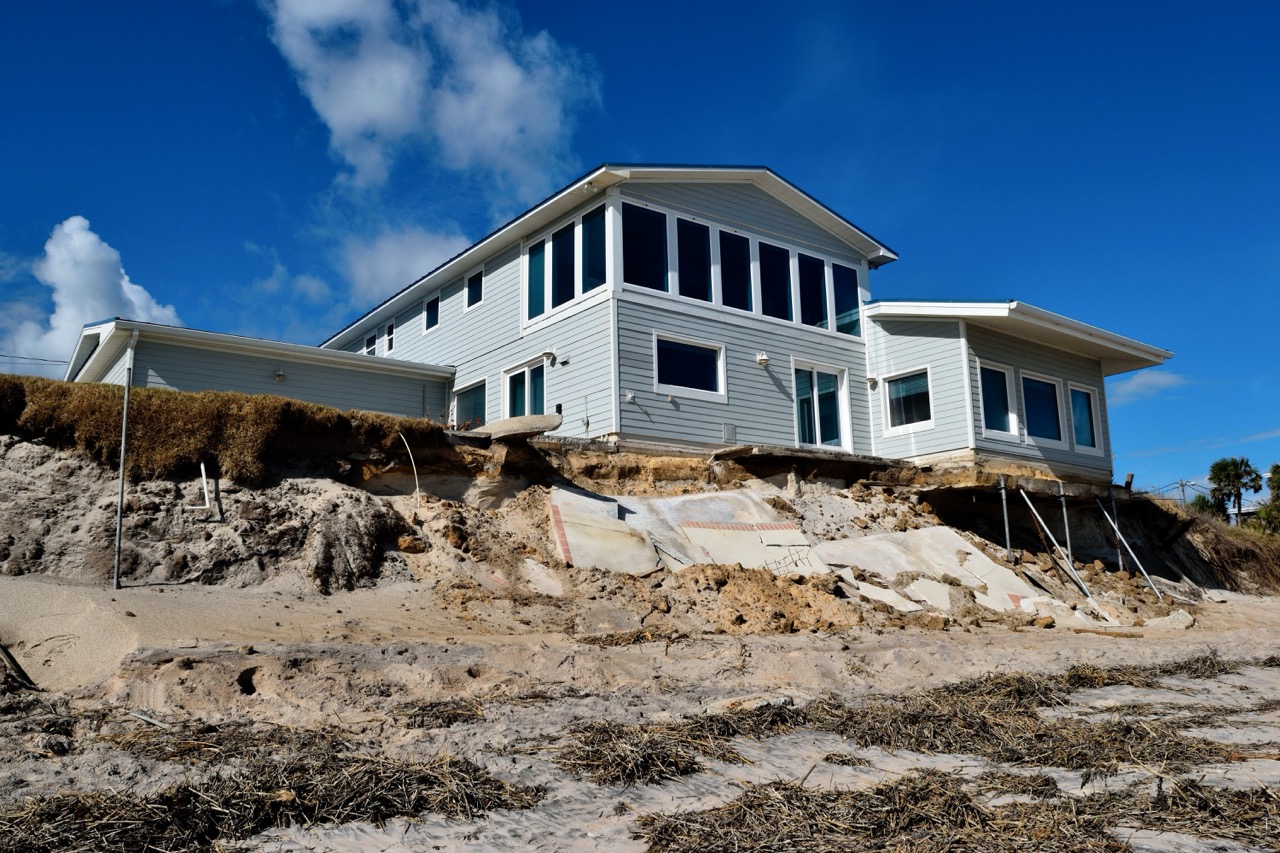
What Miami Homeowners Should Know About Common Property Damage Claims
Recent hurricanes including Milton caused devastating damage across South Florida, flooding neighborhoods and destroying thousands of homes throughout Miami-Dade County. Property damage concerns remain top priority for Miami homeowners facing increased insurance costs and declining coverage availability in 2025. Rising property insurance disputes leave many residents struggling to recover fair compensation after legitimate losses from storms, floods, and other covered perils.
Insurance companies systematically deny or underpay property damage claims in Miami using questionable tactics designed to protect their financial interests. CMS Law Group serves as a trusted law firm helping Miami residents resolve claim disputes and fight for maximum compensation. These are the five most common property damage claims in Miami, and understanding them can help homeowners spot when legal help is necessary to challenge unfair insurance practices.
1. Hurricane and Wind Damage
Hurricanes represent the top cause of property damage claims in Miami, generating billions in losses during each major storm season. Hurricane-force winds tear off roofs, damage siding, shatter windows, and create extensive water intrusion requiring expensive repairs throughout affected properties. Hail and wind damage are the most frequent types of weather-related insurance claims in Florida, with windstorms, tornadoes, and hurricanes causing the majority of structural damage.
Wind-driven rain enters through hurricane-damaged roofs and windows, creating interior water damage that insurers sometimes dispute as flood damage. Common hurricane damage includes:
- Missing or damaged roof shingles and tiles torn away by high winds
- Broken windows and shattered glass from flying debris and pressure changes
- Water leaks through compromised roof systems allowing extensive interior damage
- Damaged fencing, pool screens, and outdoor structures destroyed by hurricane forces
Property damage claims in Miami after hurricanes face particular scrutiny as insurance companies look for technical grounds to deny or reduce legitimate storm losses.
2. Water and Mold Damage
Water damage claims involving burst pipes, sewage backup, and plumbing failures occur frequently in Miami’s aging housing stock, creating expensive remediation and restoration costs. Miami’s humid climate combined with water intrusion creates ideal conditions for rapid mold growth within 24 to 48 hours after initial damage.
Delayed insurer responses increase mold remediation costs dramatically as fungal growth spreads throughout affected areas uncontrolled. Florida policies often cap mold coverage at $10,000 unless mold resulted from a covered peril like a sudden pipe burst, leaving homeowners facing significant out-of-pocket expenses. Roof leaks during heavy rainstorms allow water intrusion that triggers both water and mold damage requiring professional treatment.
How Mold Becomes a Dispute Point in Insurance Claims
Insurance companies investigate mold source, typically only covering damage caused by accidental water events rather than maintenance issues, creating frequent coverage disputes. Insurers argue pre-existing conditions or poor maintenance caused mold growth to deny property damage claims in Miami involving fungal remediation.
Companies apply mold exclusion clauses even when water damage from covered perils is undisputed and well documented. Systematic under-scoping of remediation leaves homeowners paying for contaminated drywall, insulation, and HVAC ductwork removal that policies should cover.
3. Fire and Smoke Damage
Electrical fires from lightning strikes, kitchen accidents, and faulty wiring can cause total or partial property losses requiring extensive repairs or complete rebuilding. Fire and smoke damage creates unique challenges because destruction extends beyond visible flames to include hidden structural charring and pervasive smoke contamination.
Common fire and smoke damage includes:
- Structural charring weakening load-bearing elements requiring replacement rather than simple repair
- Persistent smoke odor penetrating walls, insulation, and personal belongings throughout entire properties
- Appliance and electronic destruction from direct fire exposure and excessive heat damage
- Electrical system rewiring needs after fire damages wiring, panels, and connections throughout structures
Insurance companies frequently underestimate smoke remediation costs by focusing only on flame damage while ignoring expensive deodorization and cleaning requirements. Property damage claims in Miami involving fire often face disputes about repair versus replacement costs for smoke-affected materials and belongings.
4. Theft and Vandalism
Break-ins, graffiti vandalism, and stolen valuables lead to high-value property damage claims in Miami requiring both repair and replacement compensation. Many insurers delay or deny theft claims without police reports or what they consider “sufficient proof” of losses. Vandalism damage includes broken windows, kicked-in doors, spray-painted walls, and deliberate property destruction during unauthorized entries.
Why Insurers Often Challenge Vandalism Claims
Insurance companies scrutinize vandalism claims closely, questioning whether damage occurred during actual criminal activity or resulted from other causes. Insurers demand extensive documentation including police reports, witness statements, and photographic evidence before approving property damage claims in Miami for vandalism losses.
Companies argue homeowners contributed to losses through inadequate security measures or delayed reporting to authorities and insurance representatives. Missing documentation for stolen items gives insurers grounds to deny personal property components of theft claims entirely.
5. Roof and Structural Collapse
Roofs in Florida take a beating from sun, heat, heavy rain, and strong winds, making roof damage one of the most common property insurance claims throughout Miami. Aging roofs, storm compromise, sinkhole activity, and construction defects cause dangerous collapses requiring immediate attention and expensive repairs.
Some property damage claims in Miami get wrongfully denied when insurers cite “wear and tear” exclusions despite obvious storm damage triggering structural failures. Common collapse issues include:
- Collapsed ceilings from water accumulation or structural weakness after storms
- Roof cave-ins when hurricane winds or heavy debris exceed structural capacity
- Porch and balcony collapses from wood rot, termite damage, or improper construction
- Wall buckling indicating foundation problems or severe structural compromise requiring engineering evaluation
Disputes usually arise when insurers claim damage comes from age, poor maintenance, or normal deterioration instead of sudden covered events, shifting liability unfairly.
Preventing Future Claim Disputes
Proactive measures reduce likelihood of claim denials while strengthening your position during property damage claims in Miami requiring professional legal intervention. Smart documentation practices and policy knowledge help homeowners protect their rights when insurers act unfairly.
- Review your policy annually: Understand current coverage limits, deductibles, and exclusions before losses occur to verify adequate protection levels.
- Keep photo and receipt records of upgrades: Document home improvements, roof replacements, and major purchases proving property value and condition.
- Report damage immediately: Contact insurers within days of discovering losses to comply with policy requirements and preserve claim rights.
- Follow insurer instructions in writing: Request all communications in writing and respond to document requests promptly with delivery confirmation.
- Document all insurer communications: Maintain copies of every email, letter, phone call log, and adjuster report throughout the claims process.
When to Contact a Property Damage Attorney
Recognize warning signs that property damage claims in Miami are being delayed, undervalued, or wrongfully denied requiring immediate legal intervention. Insurance companies use systematic tactics to minimize payouts through questionable damage assessments and improper policy interpretations. CMS Law Group brings extensive experience handling tough property claim disputes in Miami where insurers refuse fair settlements.
What CMS Law Group Does for Miami Homeowners
We conduct thorough policy reviews identifying coverage that insurance companies improperly deny through misinterpretation or bad faith tactics. Our attorneys obtain independent professional inspections providing objective damage assessments countering lowball company adjuster valuations systematically undervaluing losses.
We negotiate aggressively with insurers using comprehensive documentation and expert opinions supporting maximum settlement amounts for clients. When companies refuse reasonable settlements, we pursue bad faith litigation holding insurers accountable for violating their legal obligations to policyholders. Property damage claims in Miami receive personalized attention from experienced attorneys fighting tirelessly for fair compensation.
Get Help with Your Property Damage Claim Today
Don’t accept inadequate insurance settlements without challenging company decisions that may violate your policy coverage and legal rights. CMS Law Group helps Miami homeowners get fair treatment from insurance companies that systematically deny or underpay legitimate claims. Schedule a free consultation today to discuss your claim situation and learn how we can maximize your recovery.
CMS Law Group
 12955 Biscayne Blvd. Suite 201, North Miami, FL 33181
 (866) 345-2033
 info@cmslawgroup.com
Our attorneys handle tough property damage claims in Miami with compassion and legal strength.